
T-Shirts
The t-shirt is the simplest canvas there is, so the details carry it: jersey weight, neck rib depth, how far the shoulder drops. Creators here print, embroider and dye tees in short runs instead of stocking racks of them. Pick one up, or start your own from the same blank.
32 designs live right now. Often also tagged cotton clothing, casual and white clothing.
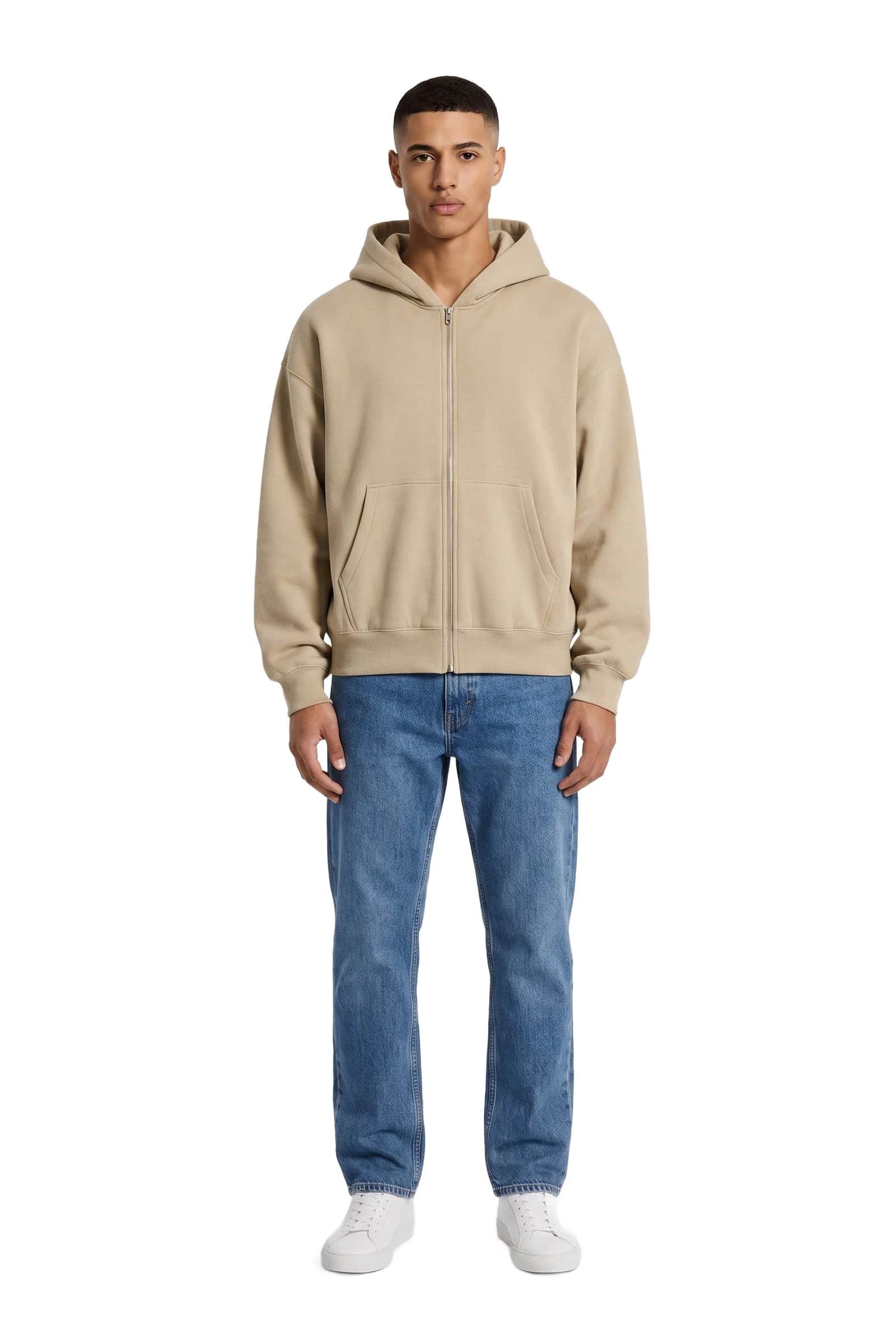
Berry Red Coffee Graphic T-Shirt
$28.38
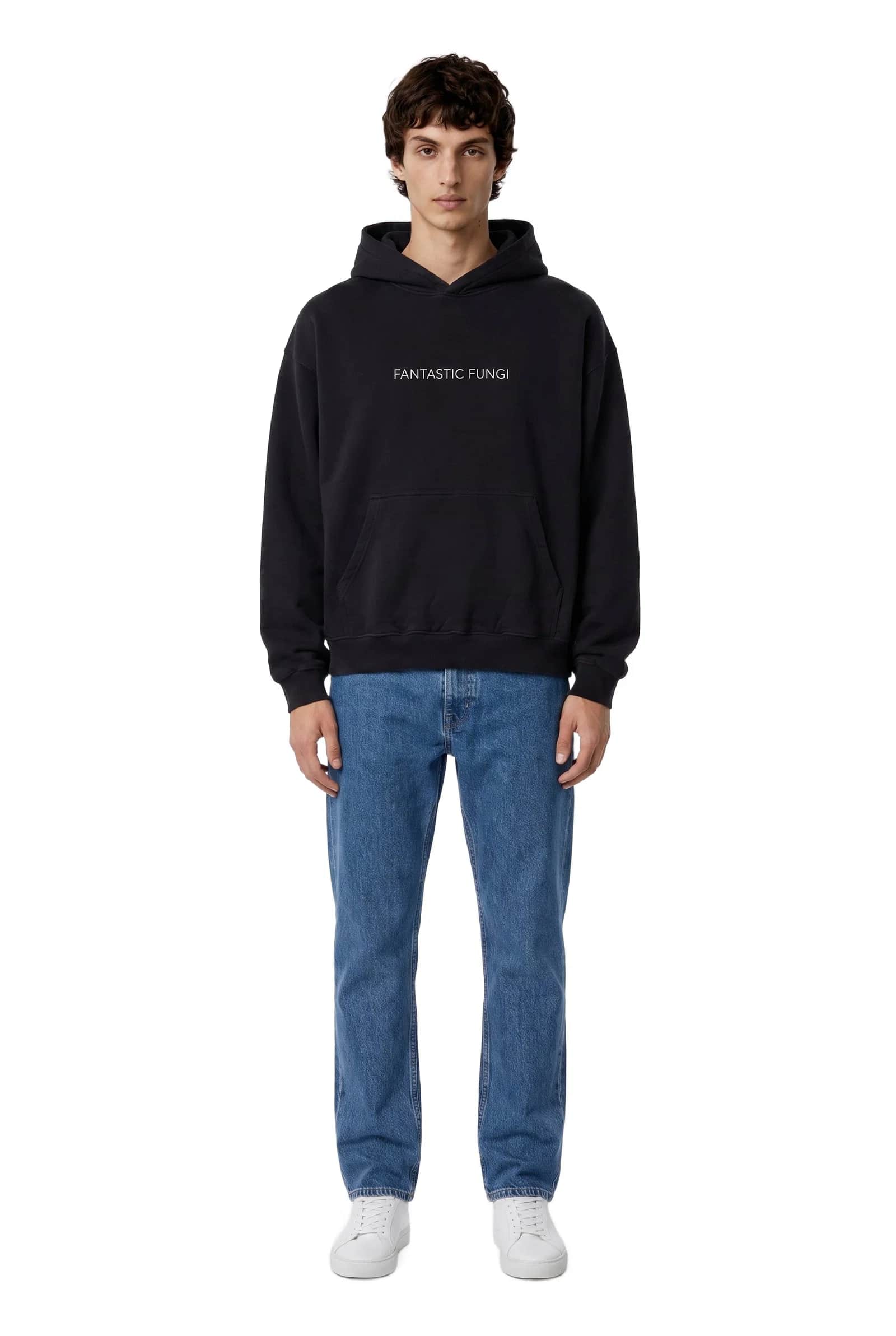
Teal Plain T-Shirt
$66.80
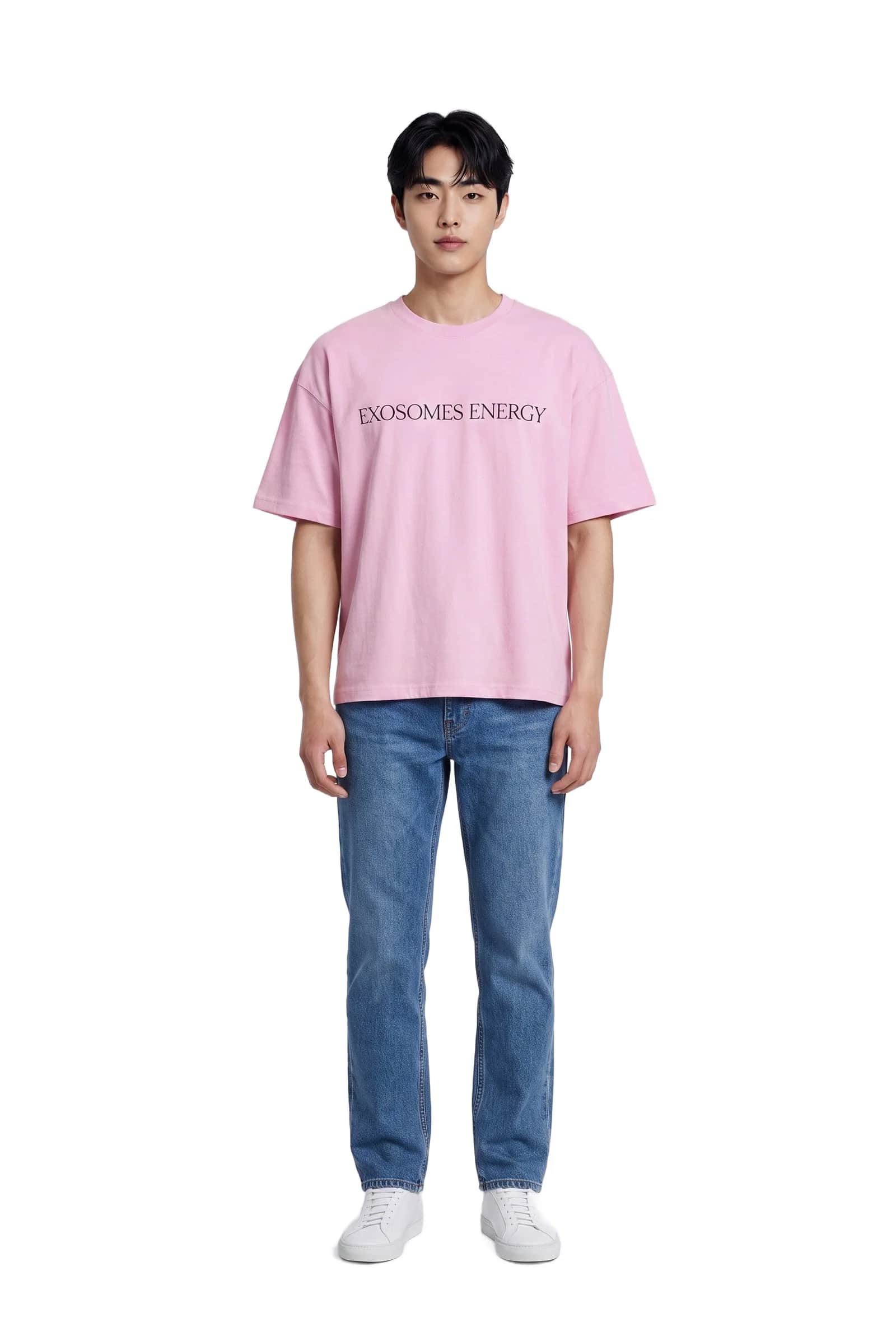
Destroyed Acid-Wash T-Shirt
$37.80
Classic White T-Shirt
$65.32
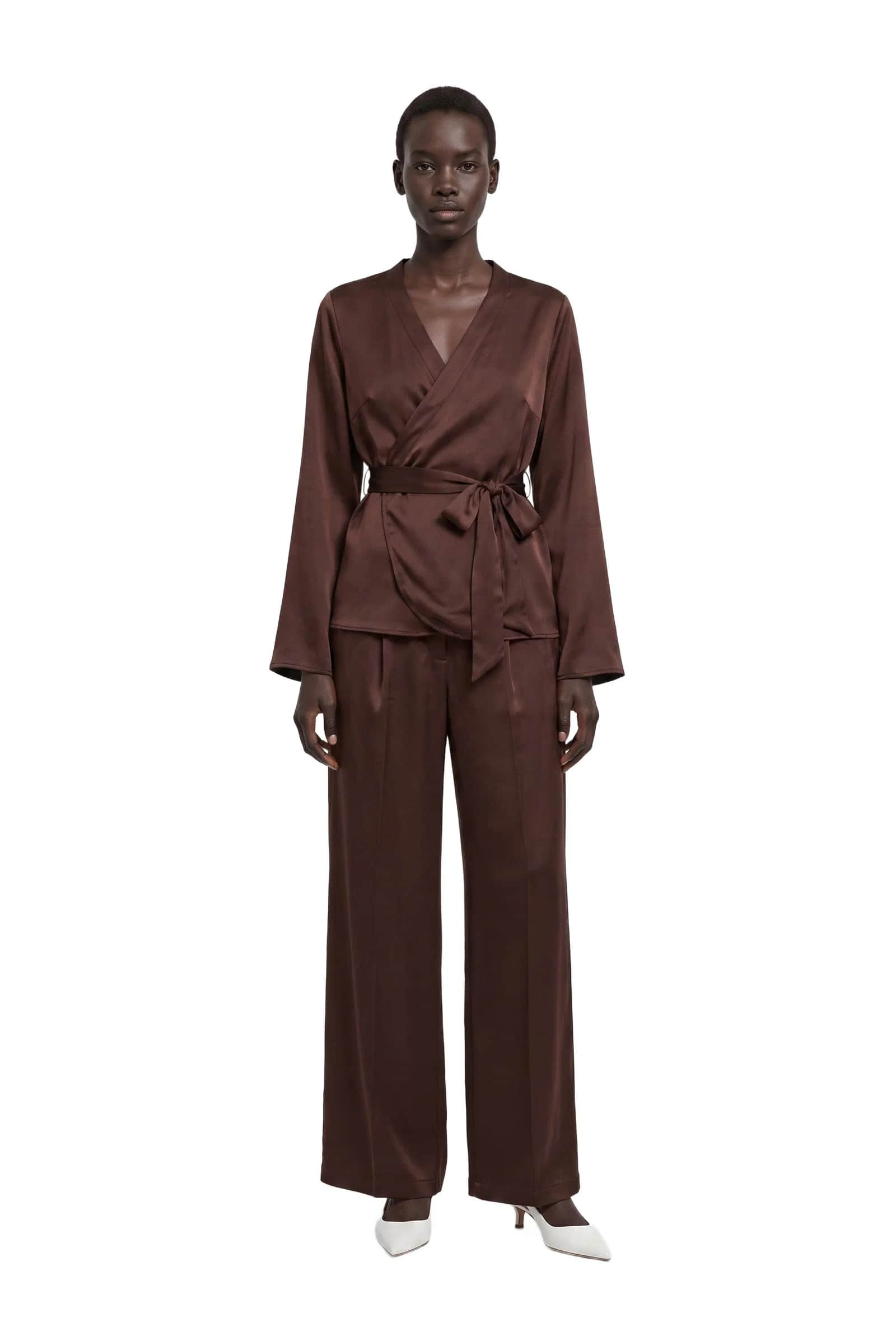
LEGO Black T-Shirt
$50.62
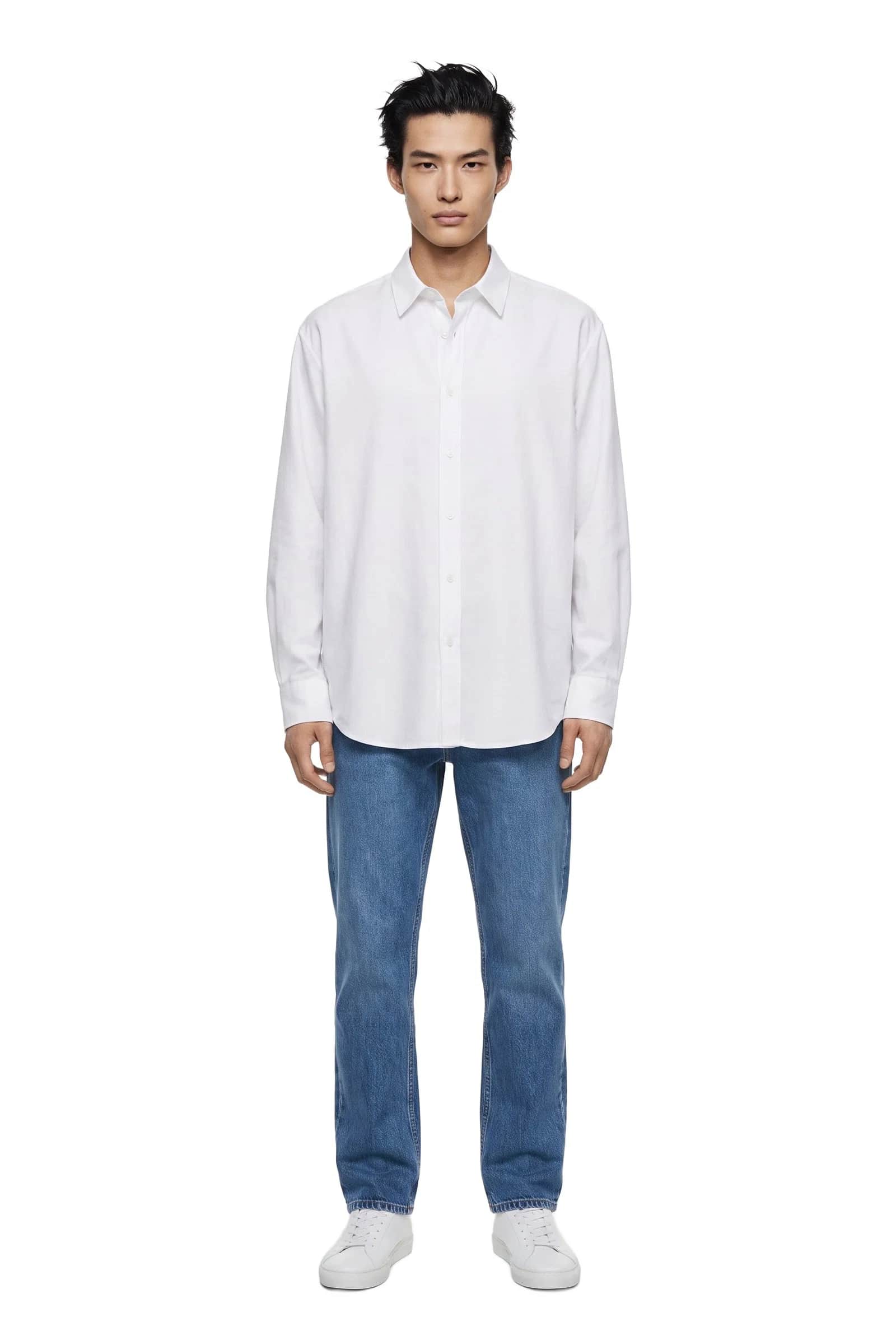
High Neck Boxy T-shirt
DESIGN YOURS
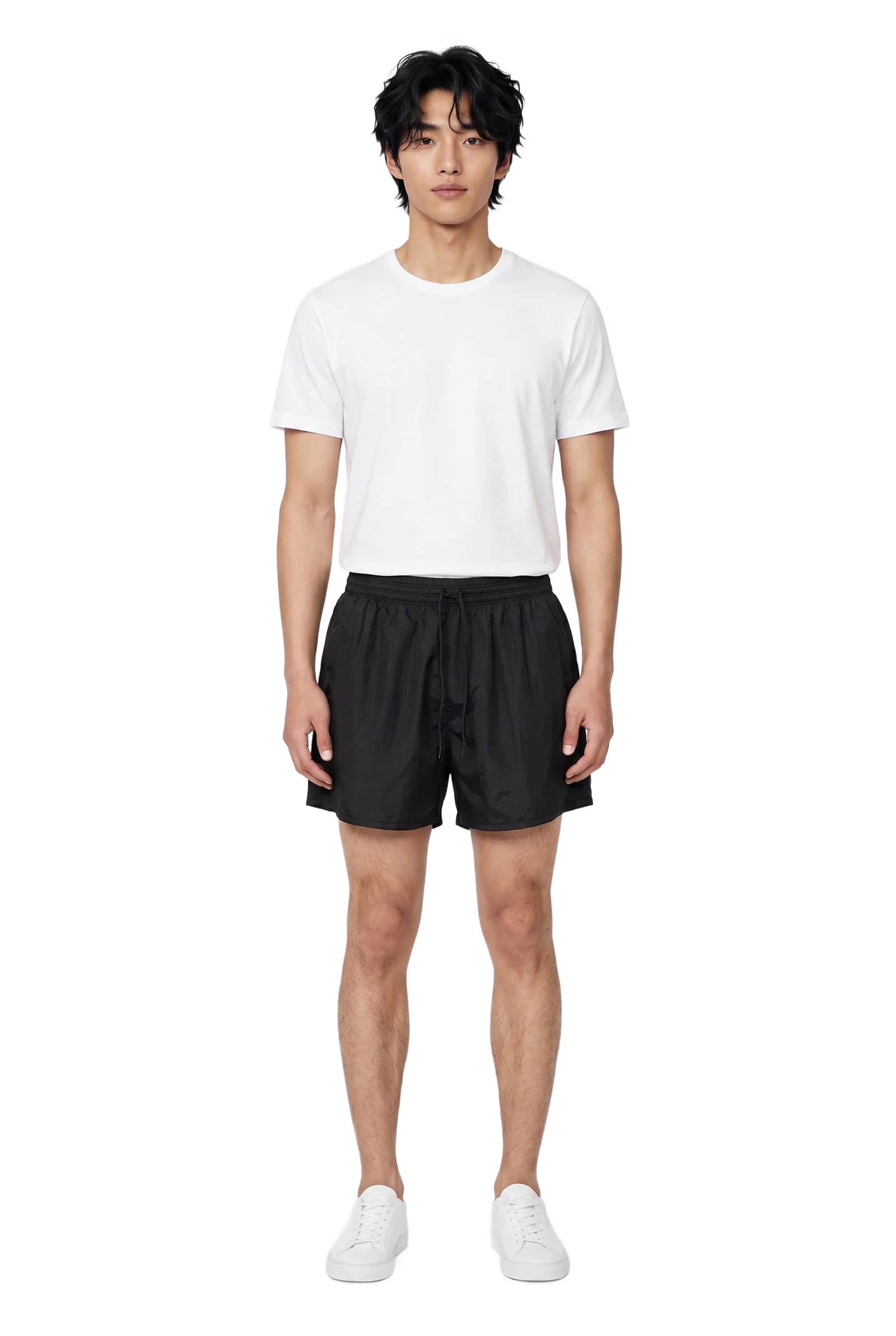
Pink Café Graphic T-Shirt
$37.40
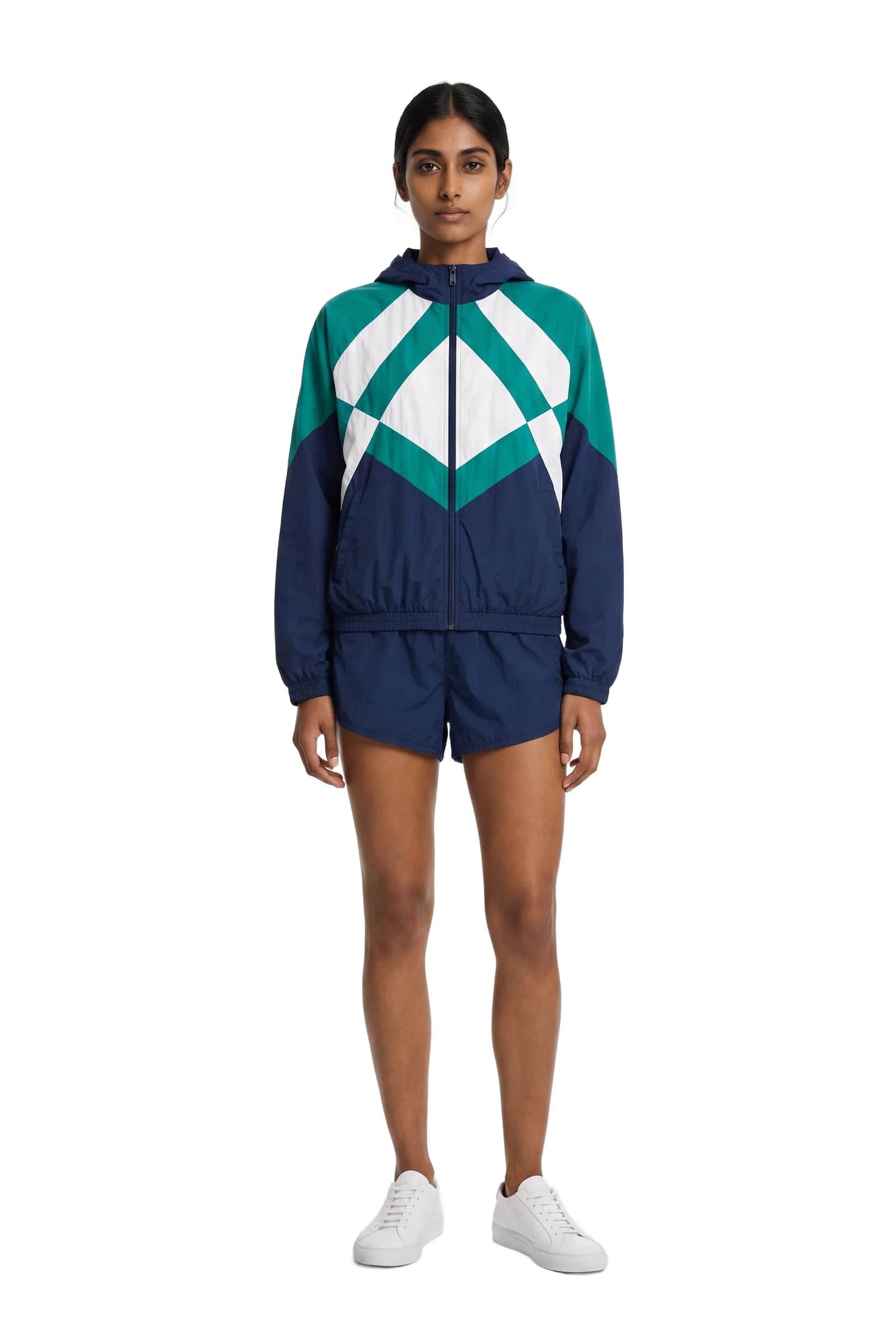
SKS Raw Edge Logo Long Sleeve Tee
$43.40
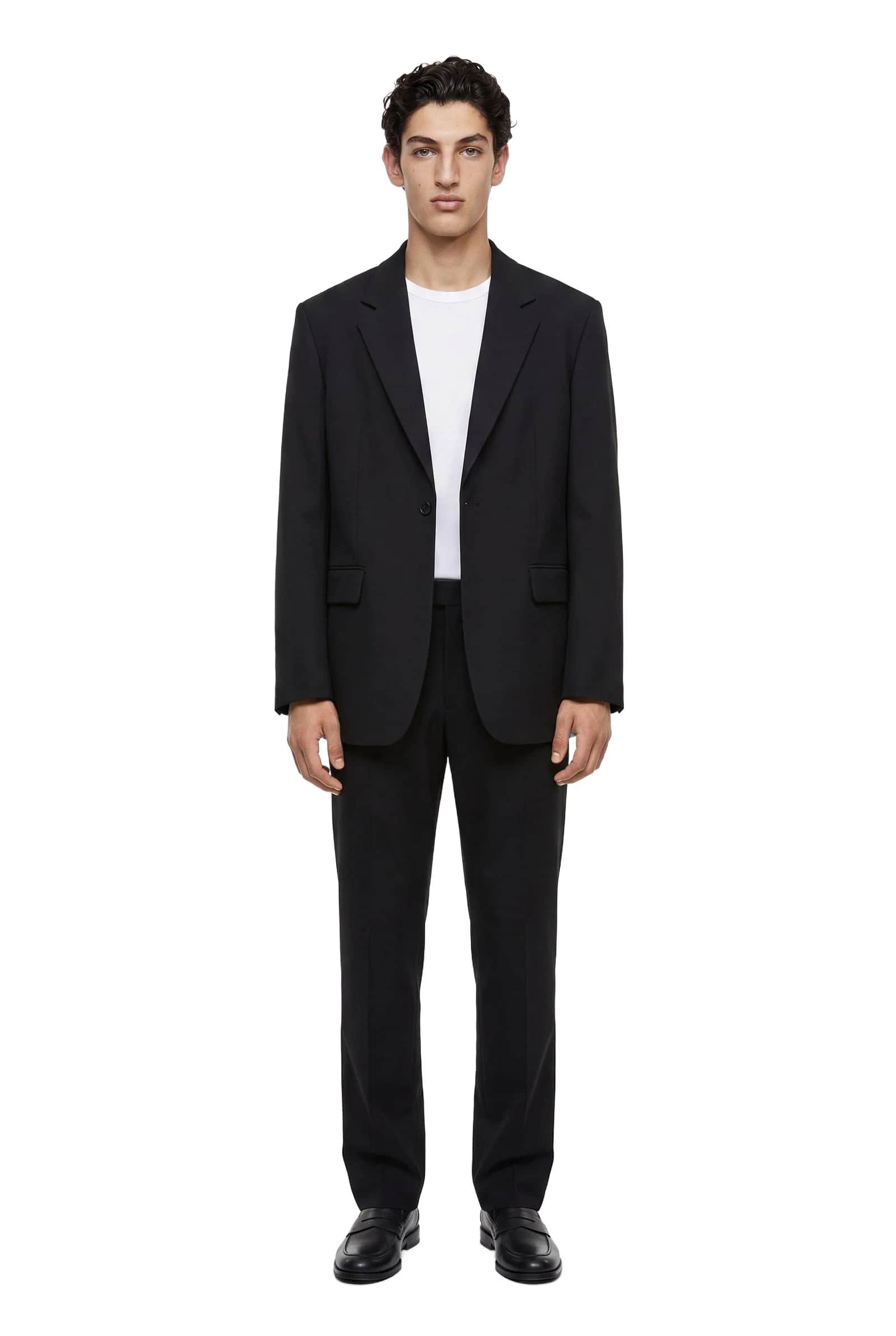
Light Green Cotton T-Shirt
$34.88
HUMAN MADE Tiger T-Shirt
$27.00
White Graphic T-Shirt
$57.87
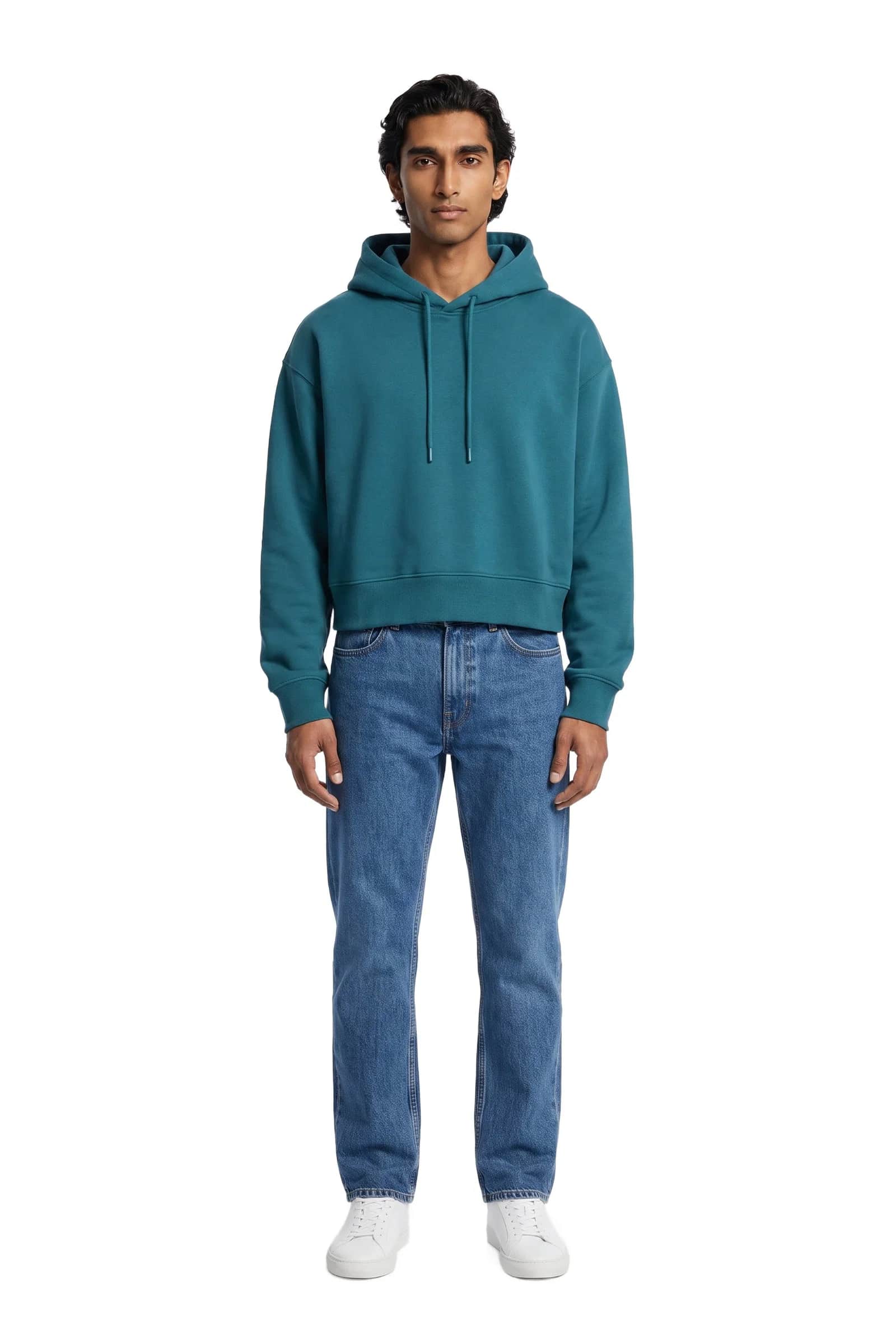
Plain Light Green T-Shirt
$65.66
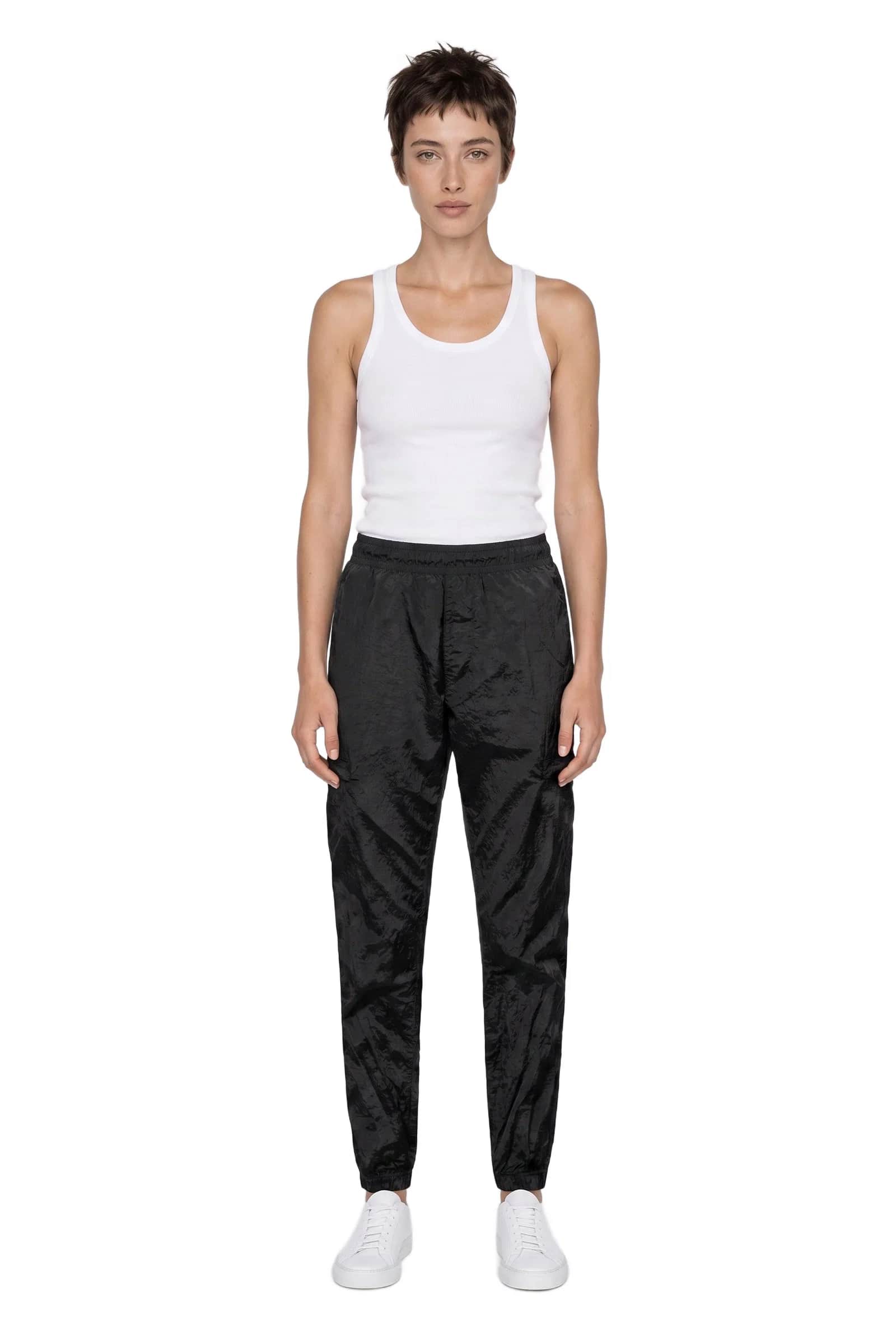
Classic T-Shirt
$22.67
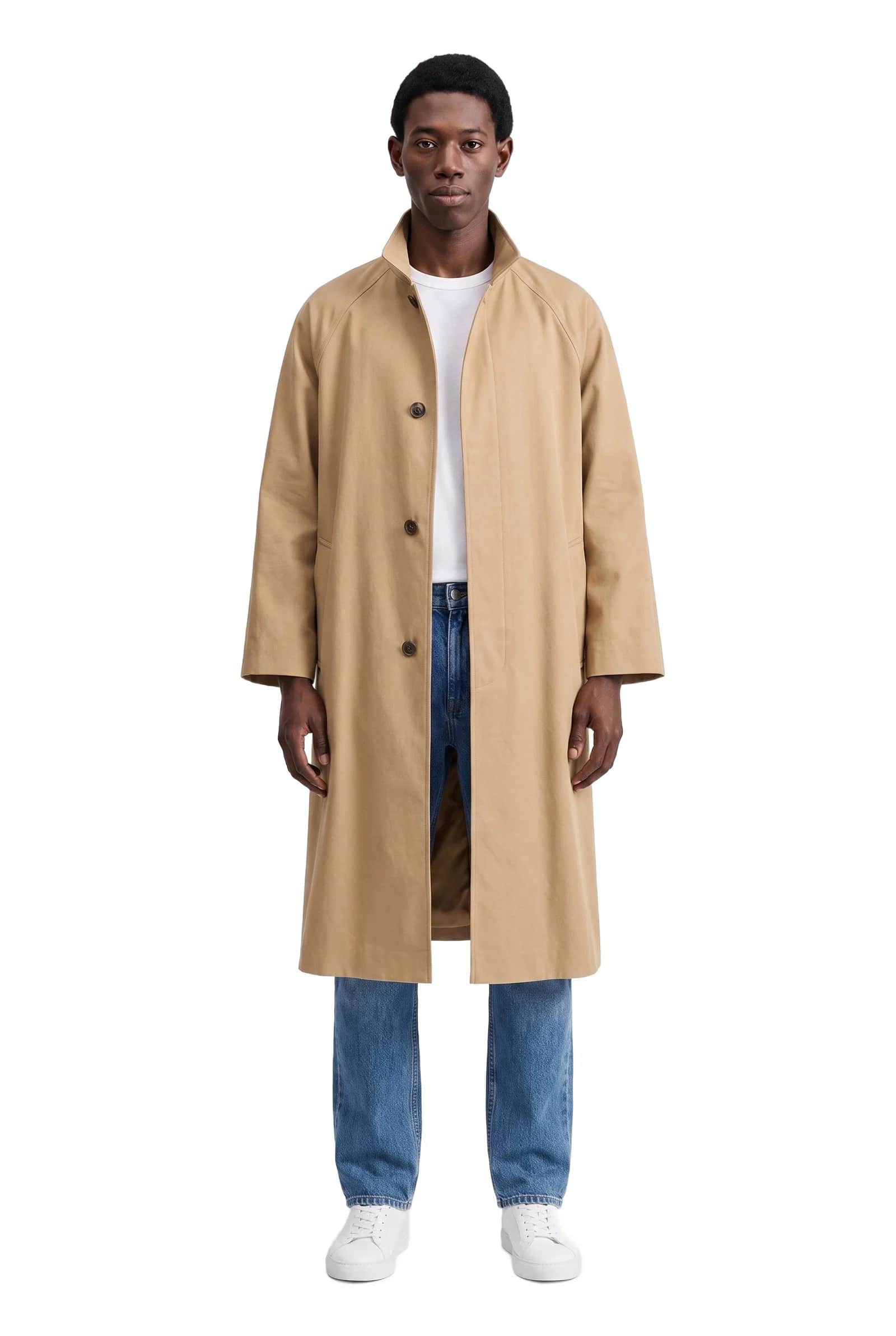
Ringer t-shirt
DESIGN YOURS
Classic T-Shirt
$23.94
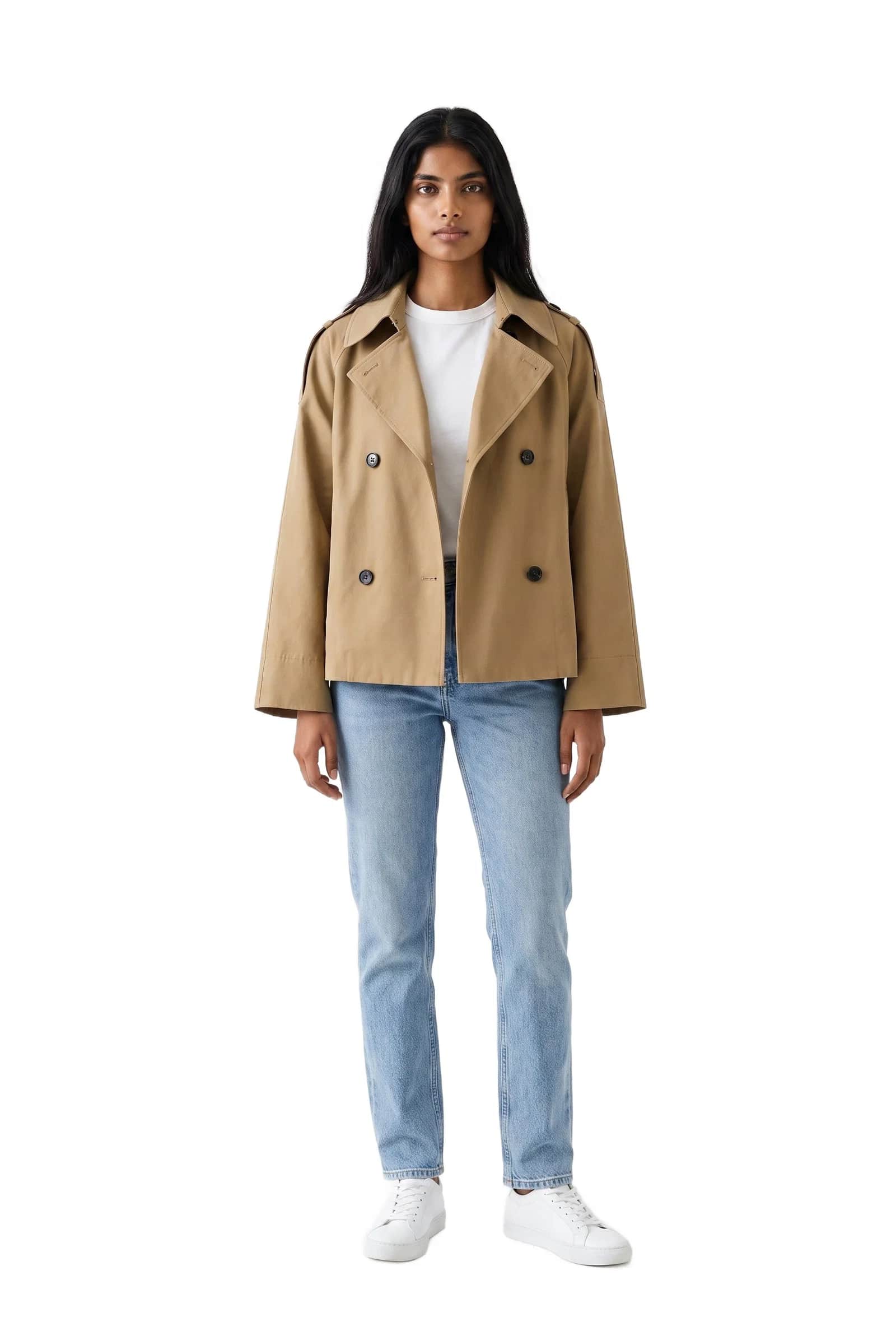
White Sakura Anime T-Shirt
$56.80
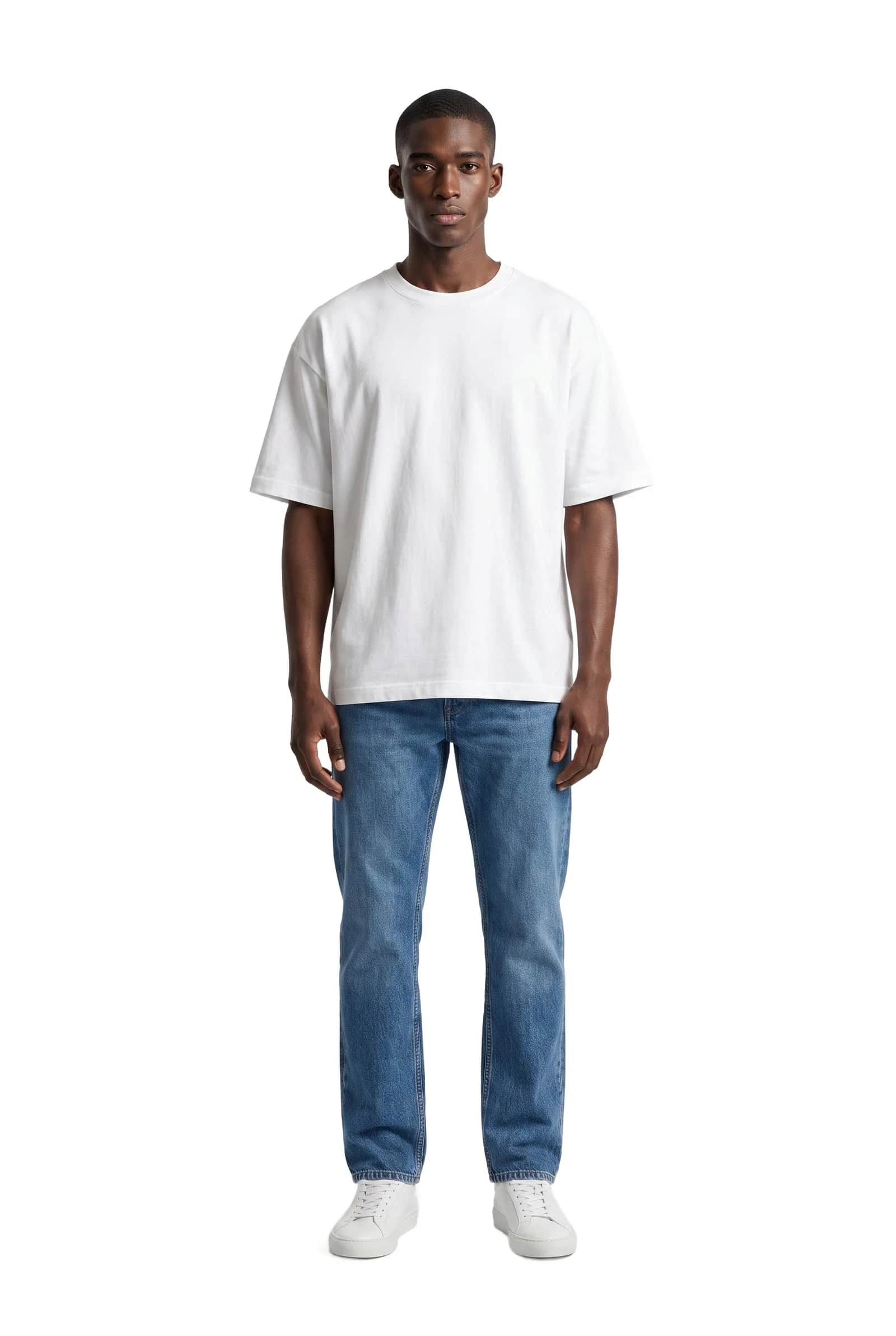
Good Morning Typography T-Shirt
$29.18
Sephora Logo T-Shirt
$20.94
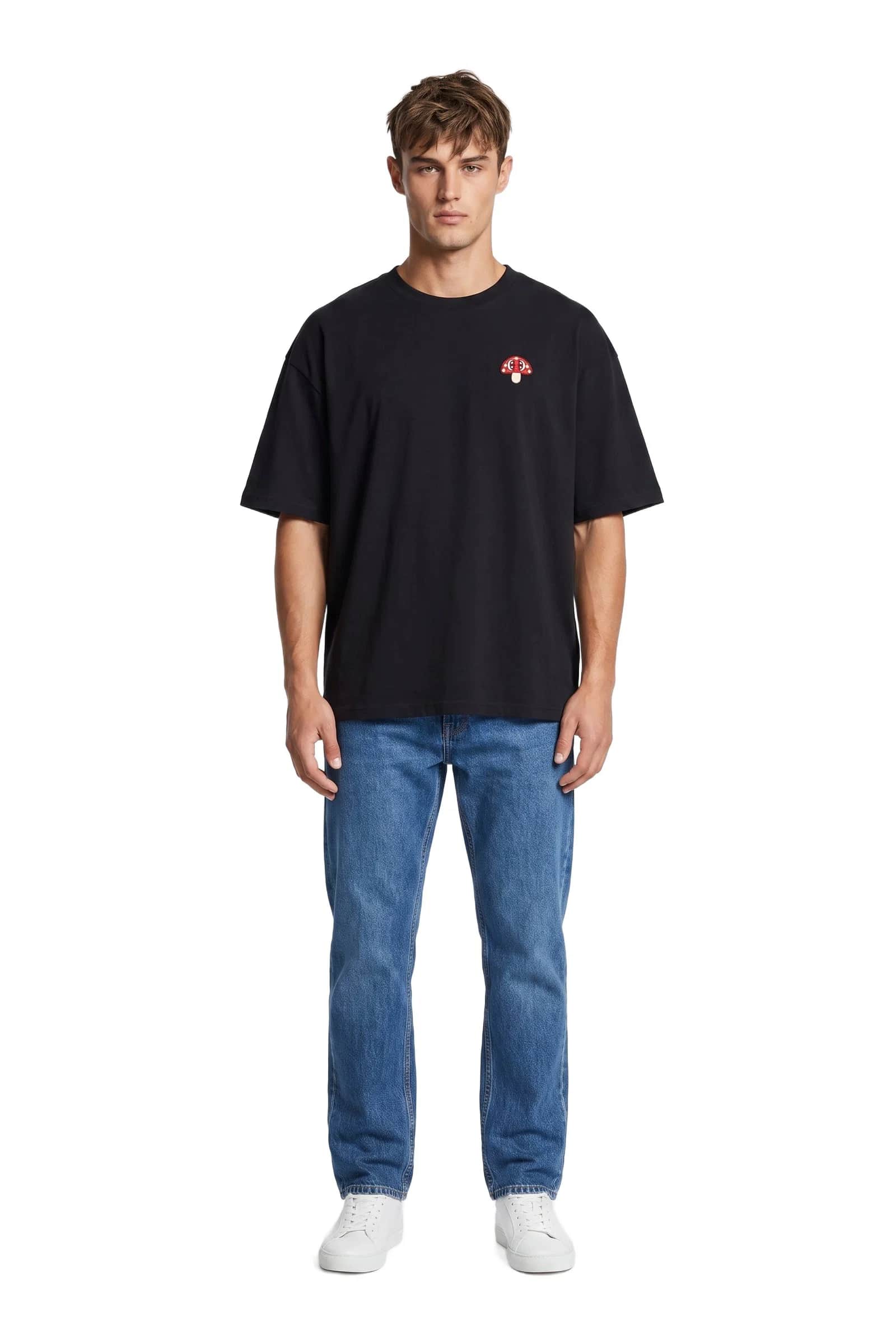
Light Green Cotton T-Shirt
$34.26
Brown Cotton T-Shirt
$49.36
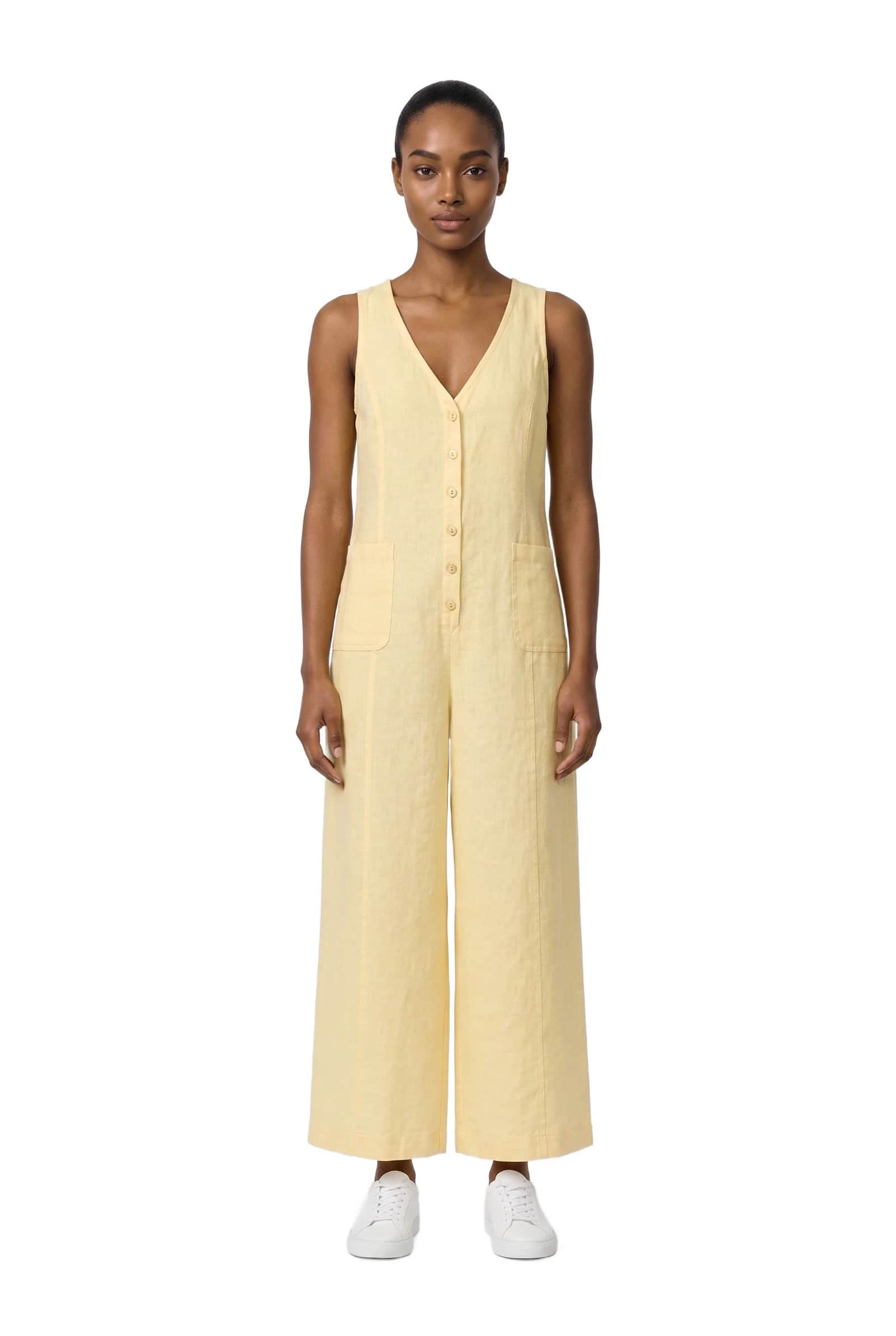
Black Graphic T-Shirt
$31.15
oversized drop shoulder T-shirt
DESIGN YOURS
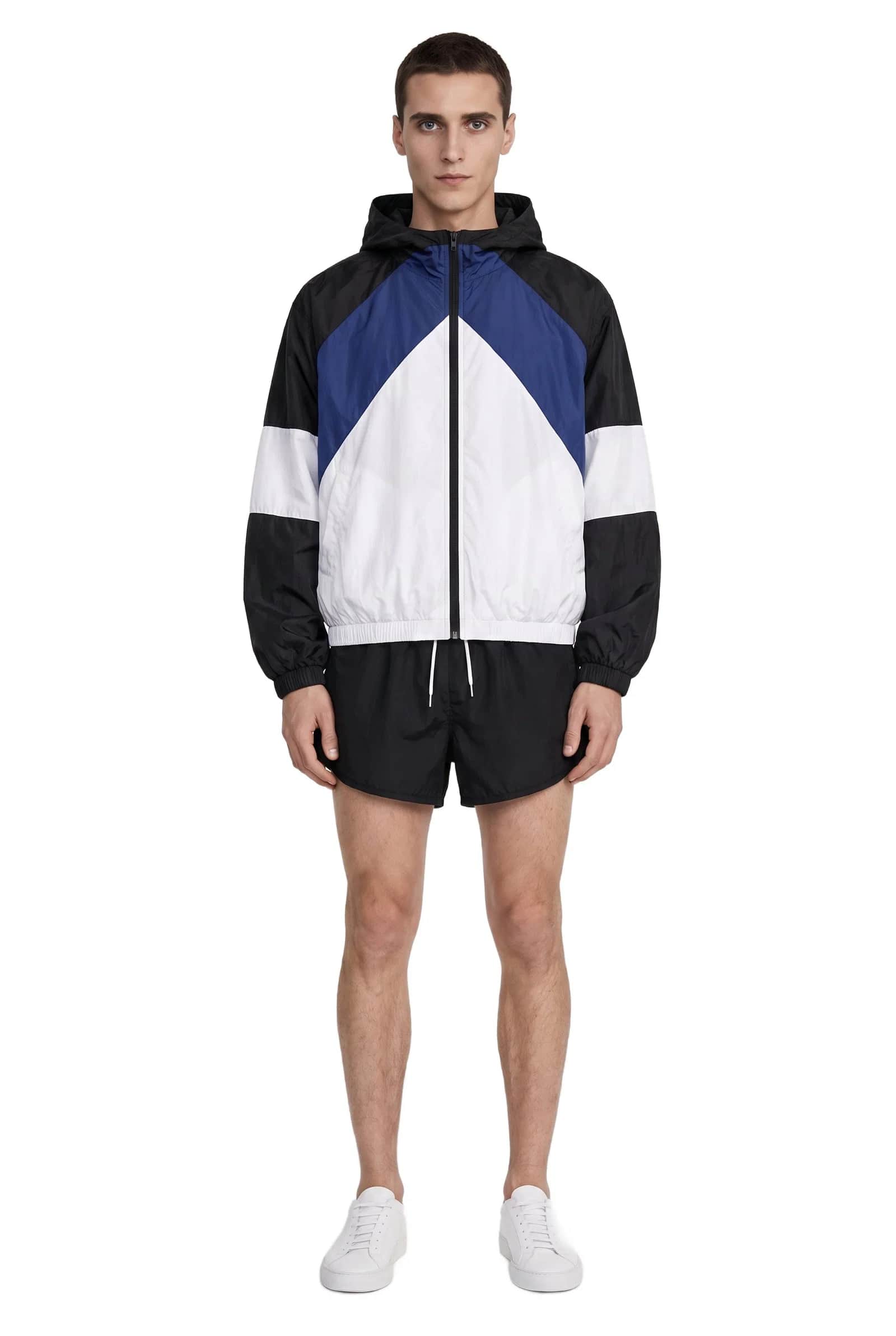
Light Green Cotton T-Shirt
$34.88
Good Morning Typography T-Shirt
$29.18
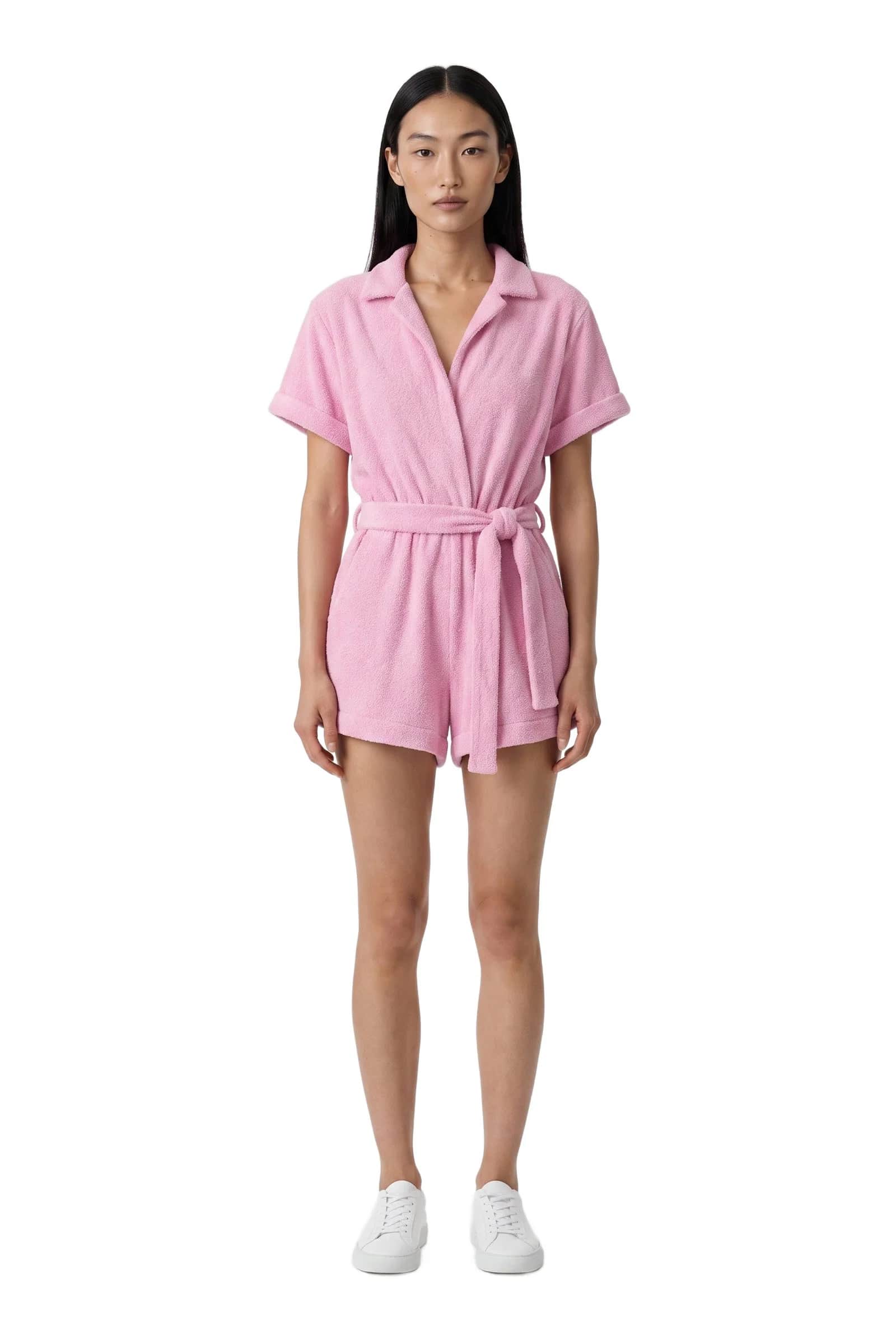
Relaxed Boxy T-shirt
$50.67
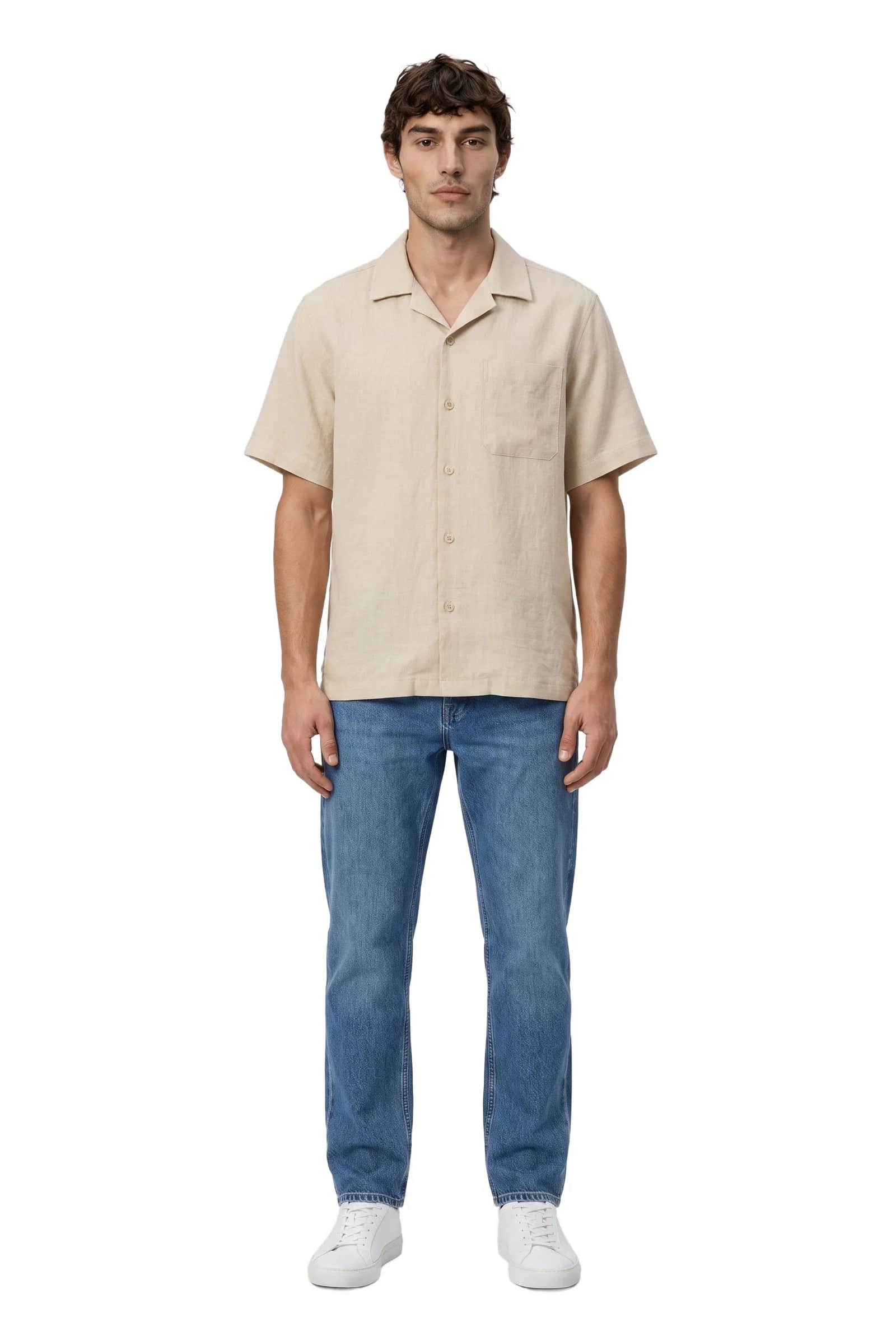
LEGO Black T-Shirt
$50.62
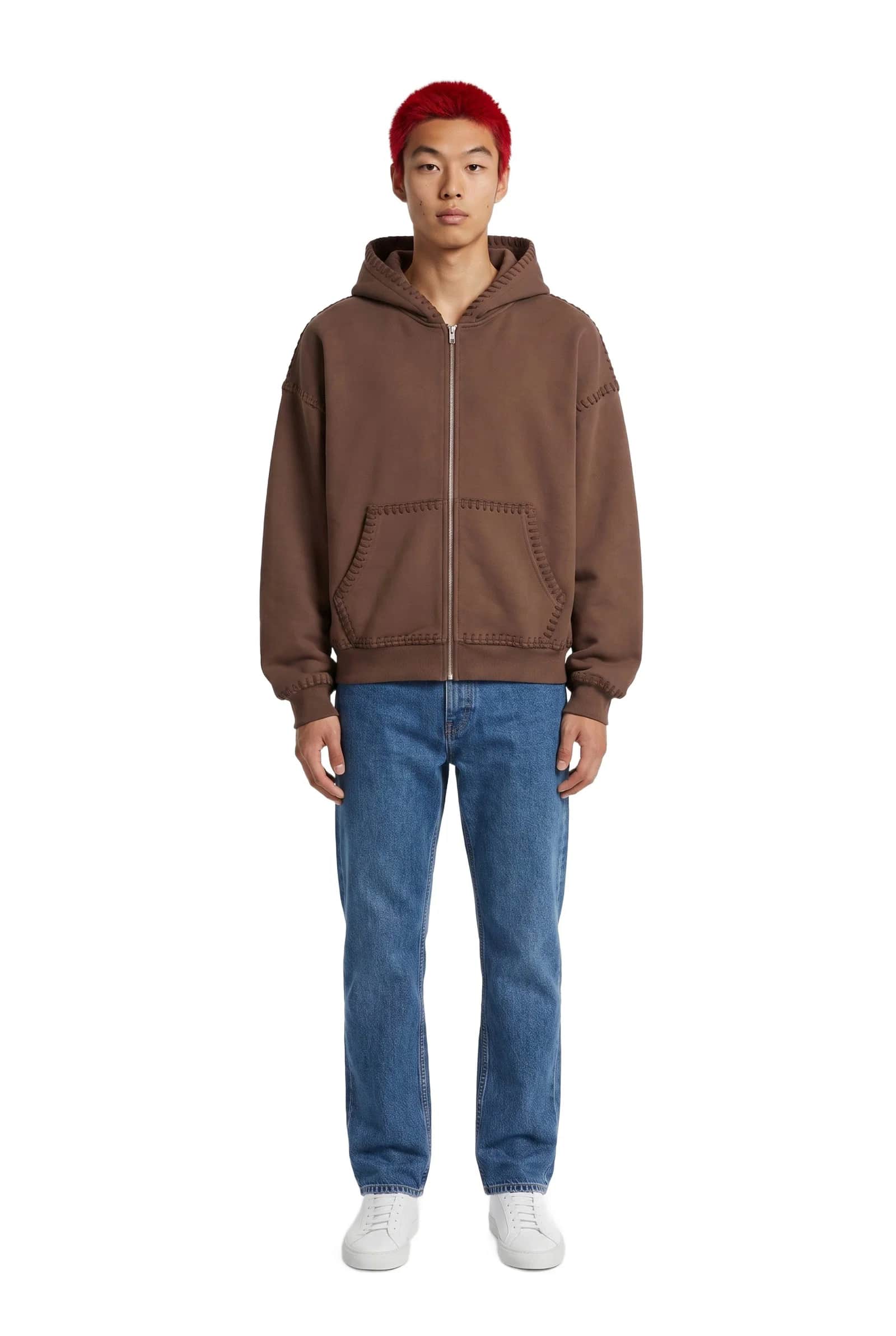
Plain White T-Shirt
$26.04
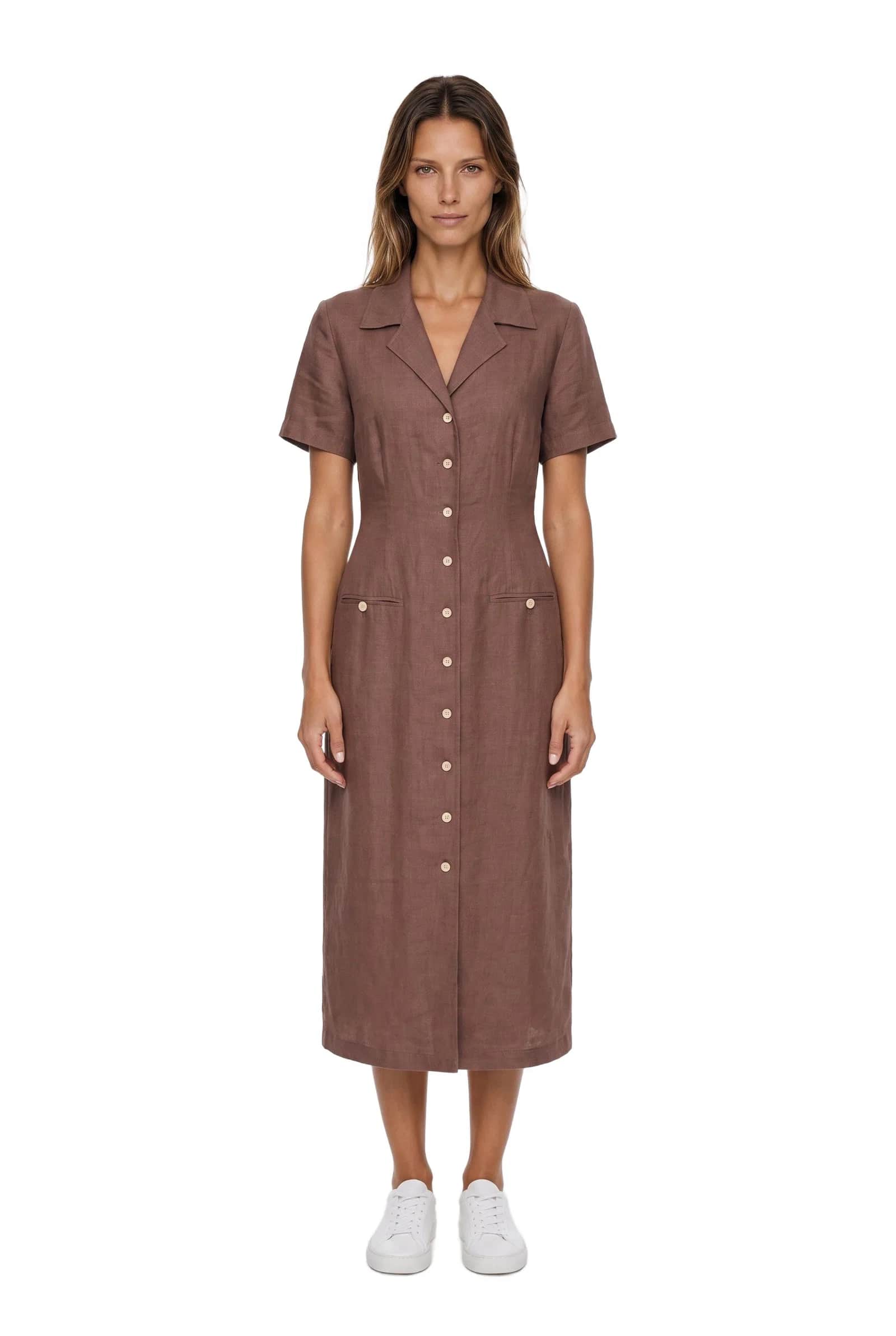
Astrology Graphic T-Shirt
$42.55
Classic White T-Shirt
$65.32
Towelling T-shirt
DESIGN YOURS
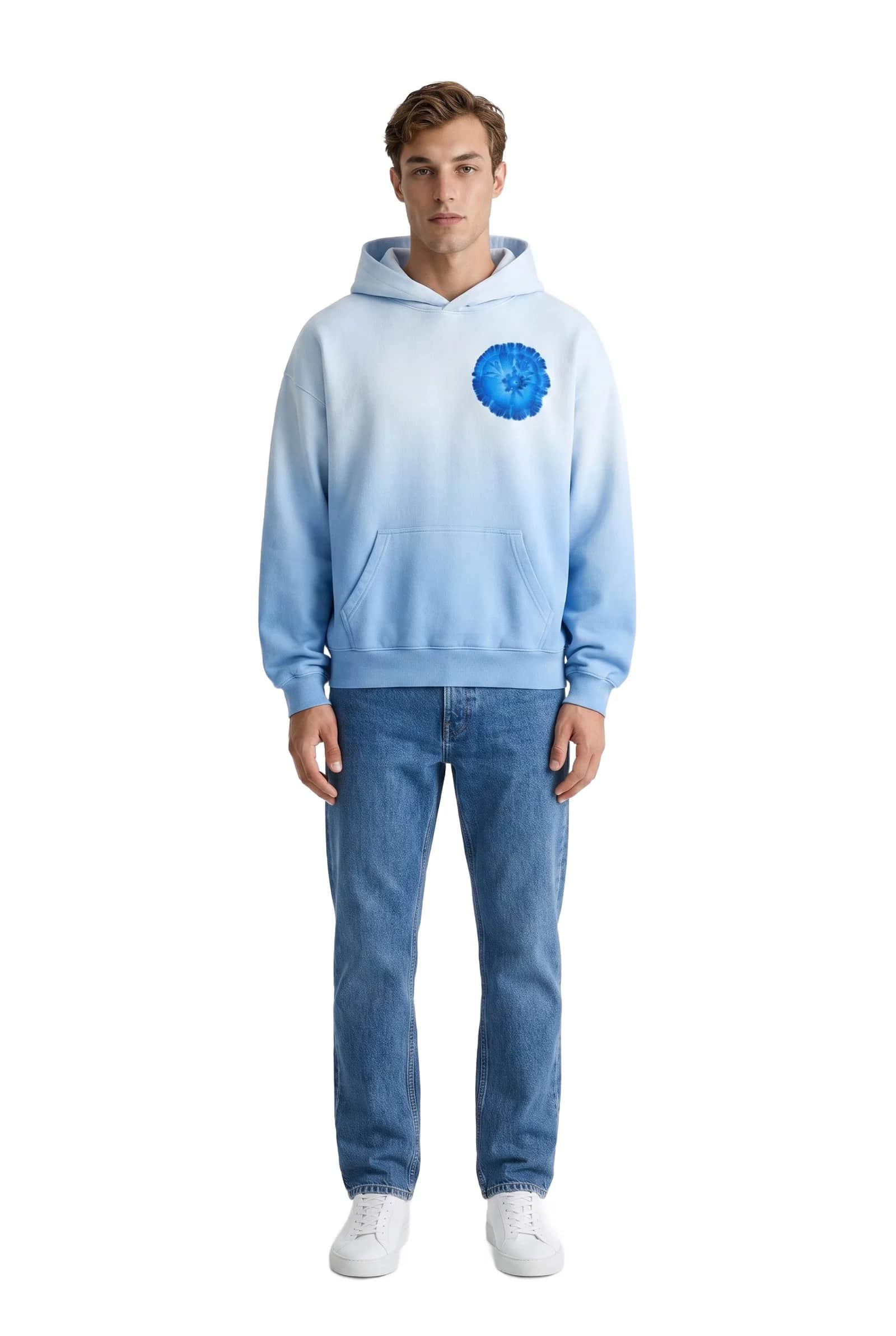
Simple White T-Shirt
$27.36
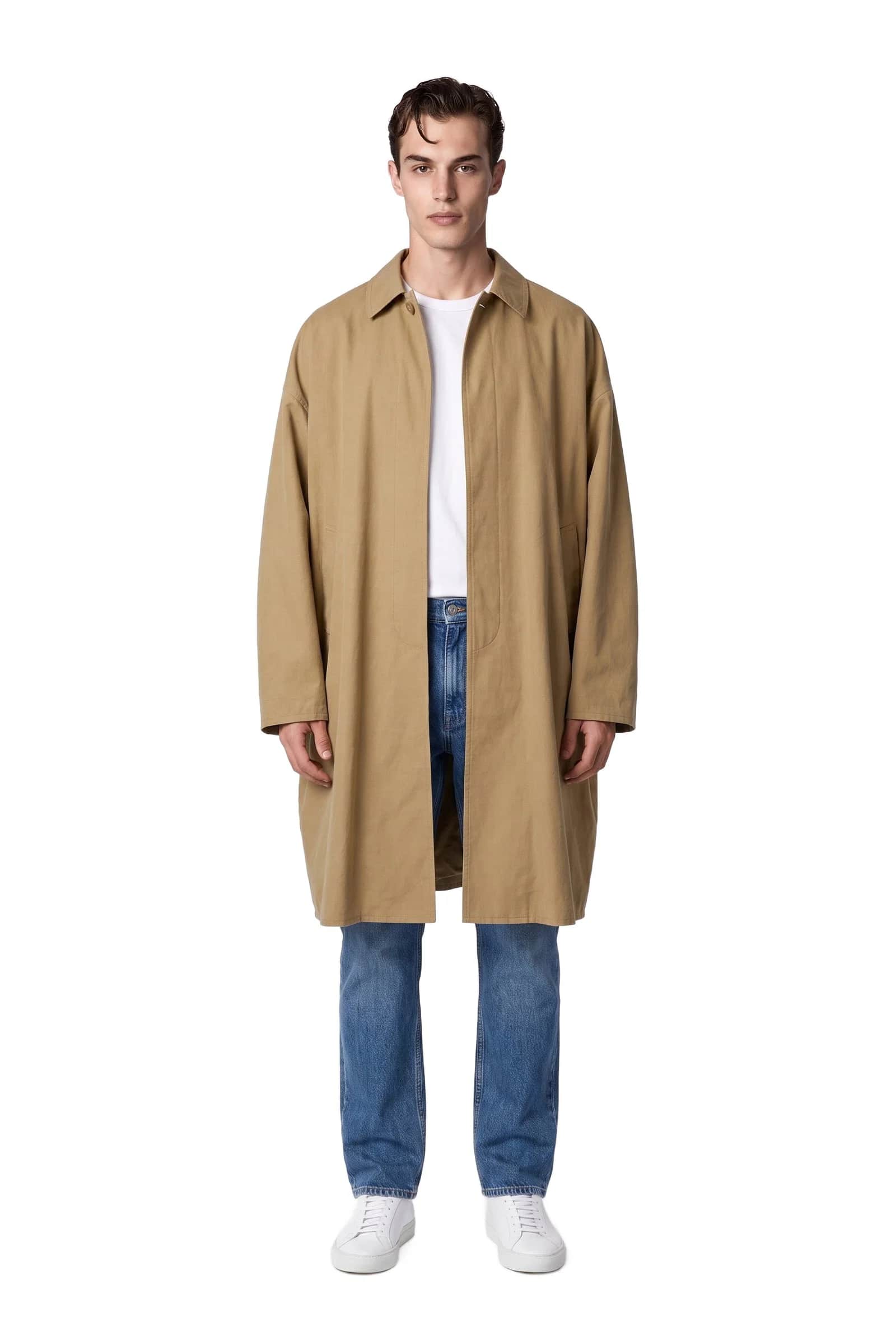
Good Morning Typography T-Shirt
$29.18
Level Up Gaming T-Shirt
$32.40
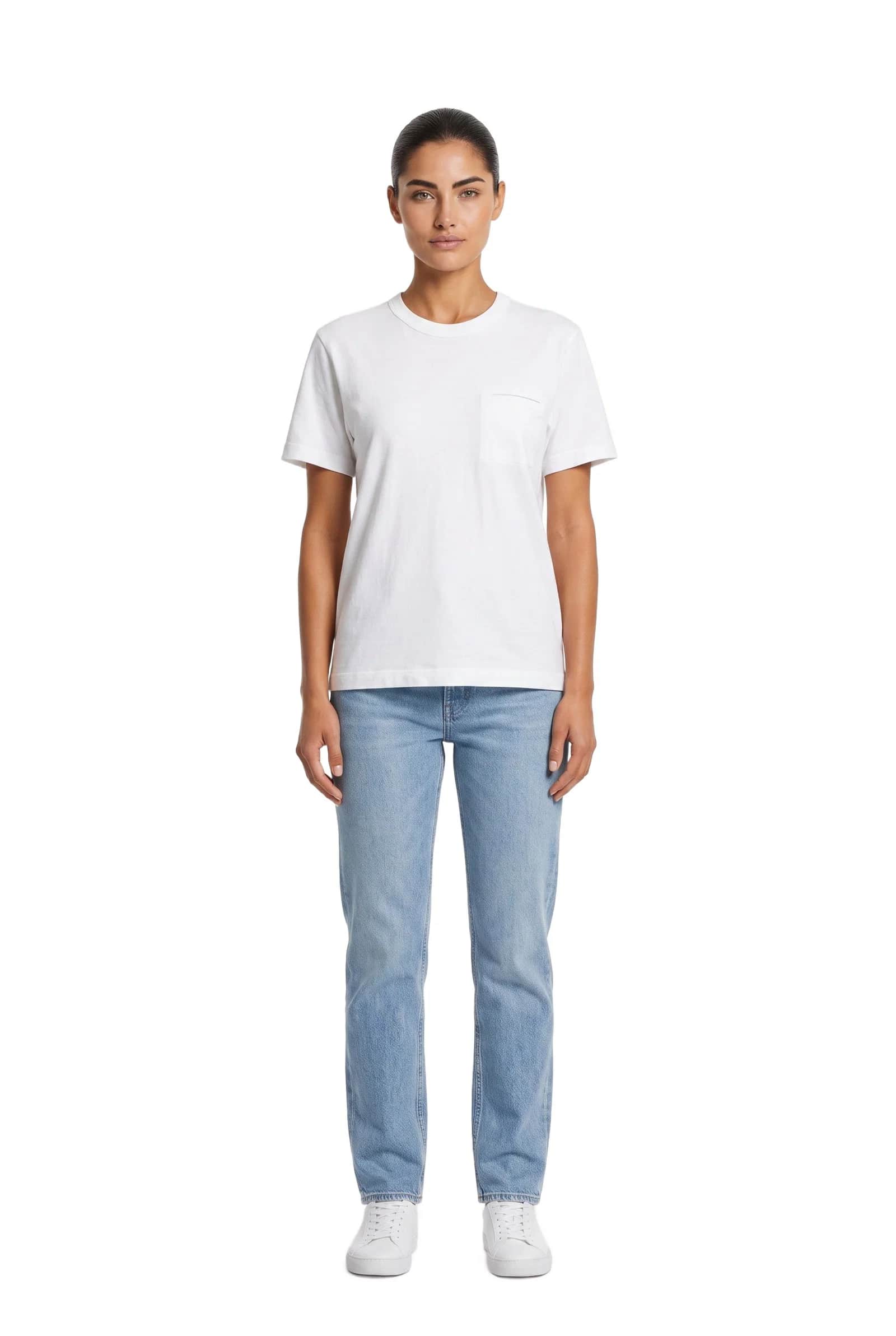
Black Graphic T-Shirt
$31.15
Knit, not woven
A t-shirt is cut from jersey, a knitted fabric that stretches and recovers, so it needs no buttons to get on and drapes rather than holding a crease. That is what separates it from a shirt, and why the details that matter are different: fabric weight, the depth of the neck rib, and where the shoulder seam sits.
Weight and cut
Weight is measured in grams per square metre. Light tees run around 150 gsm and feel soft and close to the skin; heavyweight tees sit above 220 gsm and keep their shape, which is what gives a boxy or oversized cut its square silhouette. A fitted tee usually wants the lighter end, a dropped-shoulder boxy tee the heavier one.
How the design goes on
Screen printing lays down thick, bright ink and suits bold graphics in a few colours. Direct-to-garment printing handles photographs and gradients. Embroidery adds texture to a small mark, and garment dyeing colours the finished tee for a softer, slightly uneven tone. Designers here pick per design, and you can do the same when you start your own tee from a base blank.
Compare: Shirts · Polo Shirts · Oversized Fits · Cotton Clothing